RITQ participates in the ASEAN Peace Education High-Level Conference
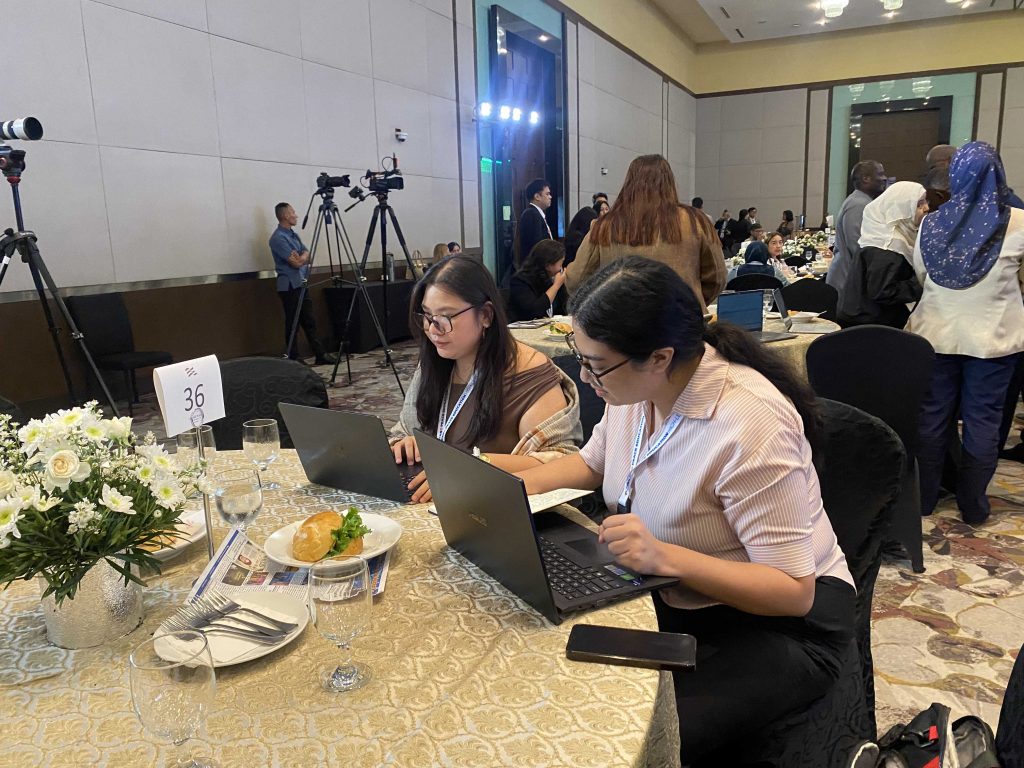
Research Analysts Gregorio and Zuñiga, consolidating their notes during the plenary session.
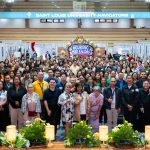
QUEZON CITY, Philippines — Representatives from the Research Institute for Teacher Quality (RITQ), Shiela Gregorio and Michelle Margaret C. Zuñiga, participated in the ASEAN Peace Education High-Level Conference held on September 22–23, 2026, at the Crowne Plaza Manila Galleria in Quezon City. Anchored on the theme “Peace Education for Shared Futures and Enduring Cooperation,” the conference brought together education leaders, policymakers, peace practitioners, academics, youth advocates, and other stakeholders from across Southeast Asia to explore the role of education in advancing peace, social cohesion, and regional cooperation.
Spearheaded by the Office of the Presidential Adviser on Peace, Reconciliation and Unity (OPAPRU), in partnership with the Department of Education (DepEd) and the Philippine Center for Islam and Democracy (PCID), the conference featured discussions on curriculum integration, teacher preparation, intercultural and interfaith dialogue, indigenous knowledge, digital citizenship, youth participation, and community-based peacebuilding as part of the Philippines’ 2026 ASEAN Chairship.
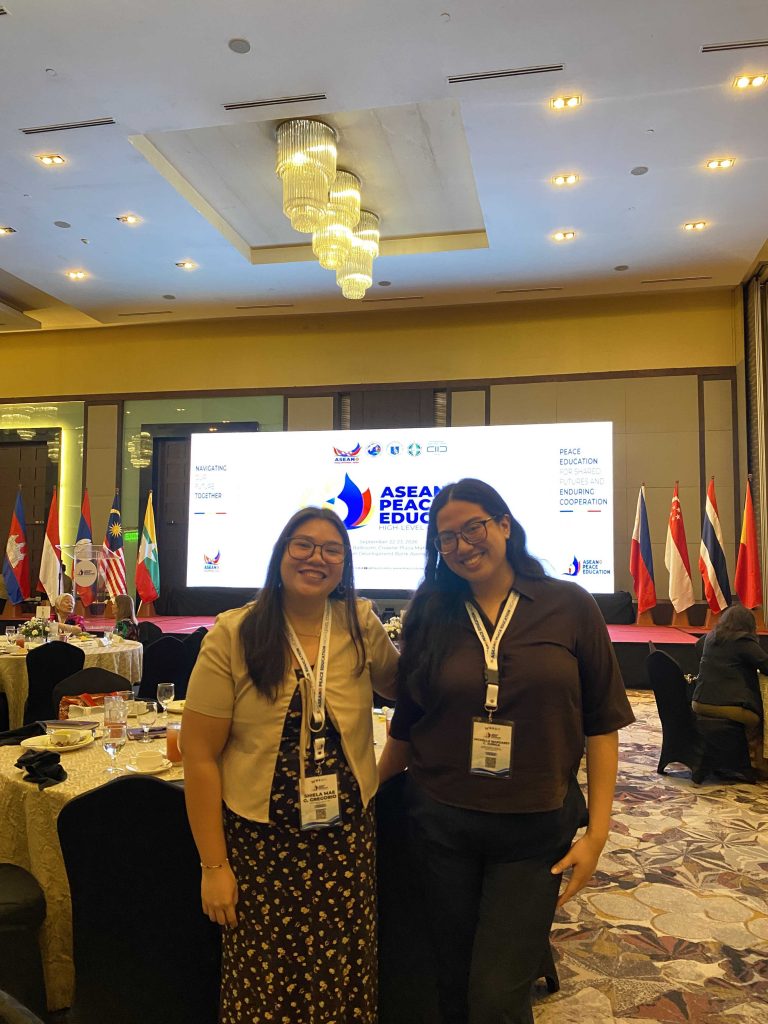
RITQ representatives, Research Analysts Gregorio and Zuñiga, during the ASEAN Peace Education High-Level Conference.
The conference emphasized that peace is not merely the absence of conflict, but a capacity that must be learned, practiced, and sustained. Speakers highlighted the importance of equipping learners and teachers with the ability to listen, engage across differences, critically assess information, manage conflicts, and participate responsibly in their communities. Discussions also underscored that Peace Education must be responsive to local histories, cultures, identities, and community practices. The conference reinforced that Peace Education extends beyond what is taught in classrooms and is reflected in how teachers and learners relate to one another, how institutions respond to diversity, and how education systems prepare young people to participate responsibly in society.
For RITQ, the discussions, regional exchanges, and side events provided relevant perspectives for its continuing work in teacher education, curriculum development, research, and capacity-building, particularly its efforts to integrate Peace Education into the reframed teacher education curriculum. The emphasis on curriculum integration, contextualized learning, teacher capacity-building, critical thinking, digital literacy, Indigenous and cultural perspectives, learner well-being, human rights, and inclusive learning environments further highlights the range of competencies that future teachers need to develop. These insights can inform ongoing efforts to prepare teachers who are equipped not only with disciplinary and pedagogical knowledge but also with the dispositions and competencies to foster dialogue, respect diversity, support learner well-being, and translate peace-oriented principles into meaningful, context-responsive educational practice.
https://www.ritq.ph/?p=6341News